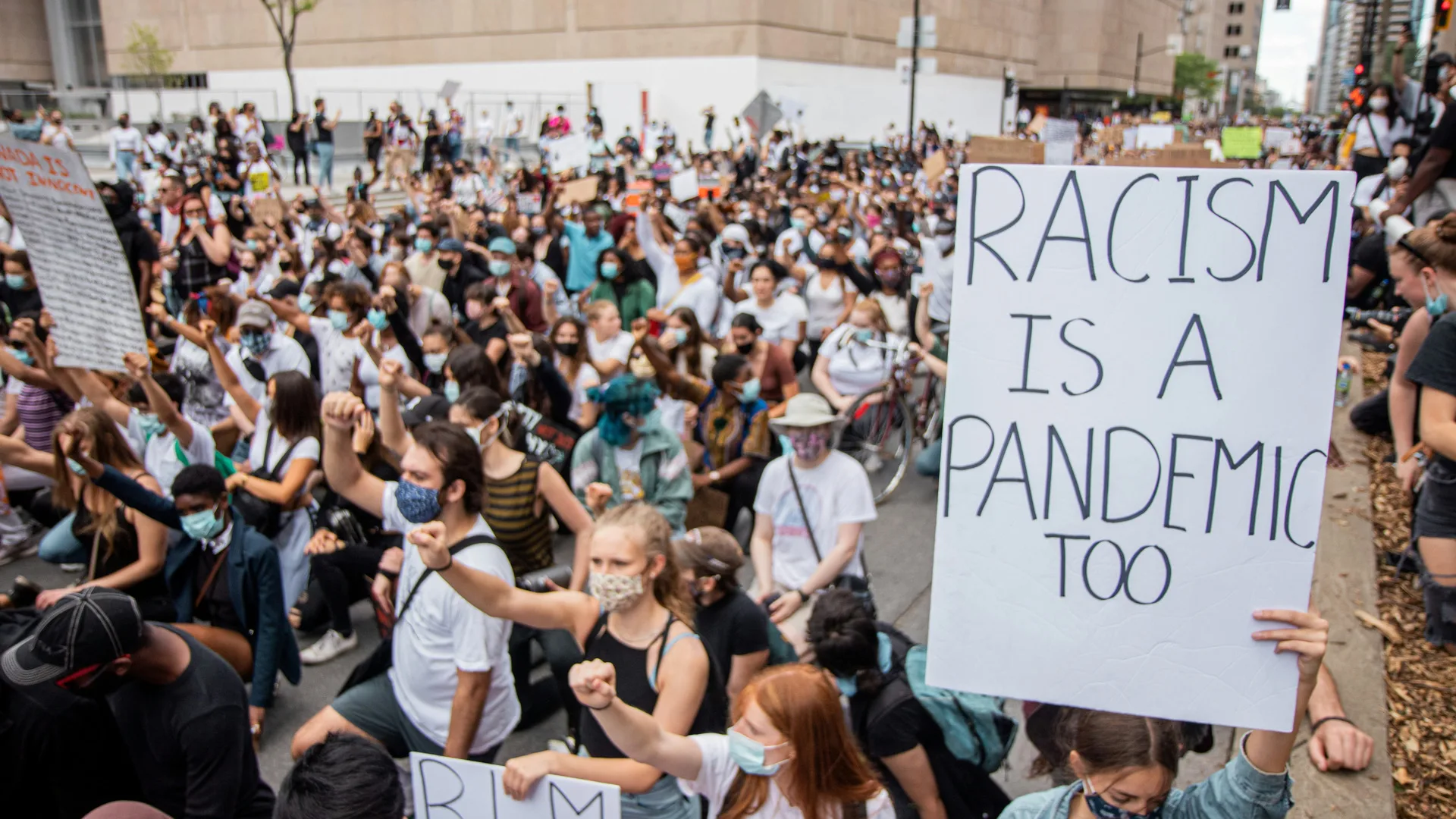
In this article, the way how exposure to derogatory language targeting immigrants and minority groups contributes to political radicalization and deteriorates intergroup relations is discussed.
The psychological processes underlying both the effects of hate speech and its proliferation in contemporary societies are considered, as well as the factors that may constrain its growth.
The authors argue that frequent exposure to hate speech has profound emotional, behavioral, and normative consequences. Empathy is gradually replaced by intergroup contempt, which both motivates and results from derogatory language. As hate speech becomes more prevalent, it creates a descriptive norm that legitimizes outgroup derogation, leading to the erosion of existing antidiscriminatory norms. In addition, repeated exposure produces desensitization, reducing individuals’ ability to recognize the offensive nature of such language.
Drawing on empirical evidence from social psychology and the psychology of emotion and aggression, a model is proposed to explain these processes and explores its dynamics using an agent-based modeling approach. It is shown that mechanisms that could limit the spread of hate speech, such as empathy and social norms, are themselves weakened by continued exposure.
Concluding remarks point out that these psychological dynamics contribute to greater societal acceptance of derogatory language and increased hostility toward immigrants and religious, ethnic, and sexual minorities.
Learn more about this study here: https://doi.org/10.1111/pops.12670
Reference
Bilewicz, M. and Soral, W. (2020), Hate Speech Epidemic. The Dynamic Effects of Derogatory Language on Intergroup Relations and Political Radicalization. Political Psychology, 41: 3-33