
Tag: Political Radicalization

  • Is Radicalization a Family Issue? A Systematic Review of Family‐Related Risk and Protective Factors, Consequences, and Interventions Against Radicalization

    Is Radicalization a Family Issue? A Systematic Review of Family‐Related Risk and Protective Factors, Consequences, and Interventions Against Radicalization

    A systematic review investigated the role of family-related risk and protective factors in radicalization, an area where evidence remains fragmented despite the recognized importance of family contexts in antisocial behaviors. It also considered the potential impact of radicalization on families and the effectiveness of family-focused interventions.

    Based on a comprehensive search of academic and gray literature, the review includes 33 quantitative studies examining family-related risk and protective factors for radicalization, covering data from more than 148,000 adolescents and adults across diverse geographic contexts. Meta-analyses were also conducted where possible, on factors such as parental ethnic socialization, extremist family members, family conflict, socioeconomic status, family size, and family commitment.

    Results indicate that parental ethnic socialization, having extremist family members, and family conflict are aspects associated with higher levels of radicalization, while higher socioeconomic status, larger family size, and stronger family commitment are associated with lower levels of radicalization.

    However, causal relationships could not be established, overall risk of bias was high, and no studies were identified on the impact of radicalization on families or on family-based interventions.

    The authors conclude that, despite these limitations, policies and practices should aim to reduce family-related risk factors and strengthen protective factors. The urgent need for the design and evaluation of family-focused interventions is emphasized, as well as further research on the effects of radicalization on families and longitudinal studies on family-related risk and protective factors.

    Learn more about this review here: https://doi.org/10.1002/cl2.1266


    Reference

    Zych, I., & Nasaescu, E. (2022). Is radicalization a family issue? A systematic review of family-related risk and protective factors, consequences, and interventions against radicalization. Campbell systematic reviews, 18(3), e1266
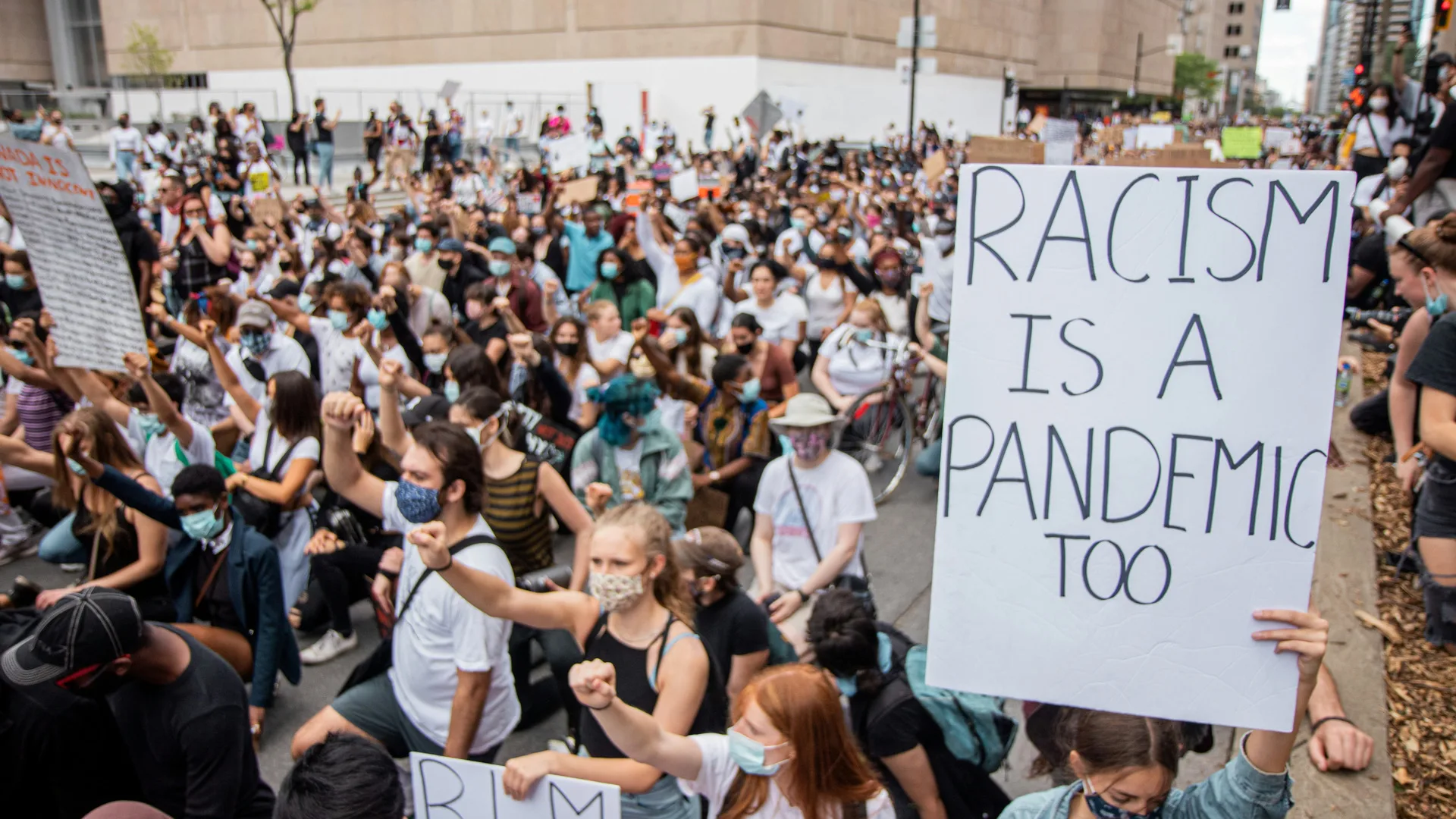
  • Hate Speech Epidemic. The Dynamic Effects of Derogatory Language on Intergroup Relations and Political Radicalization

    Hate Speech Epidemic. The Dynamic Effects of Derogatory Language on Intergroup Relations and Political Radicalization

    In this article, the way how exposure to derogatory language targeting immigrants and minority groups contributes to political radicalization and deteriorates intergroup relations is discussed.

    The psychological processes underlying both the effects of hate speech and its proliferation in contemporary societies are considered, as well as the factors that may constrain its growth.

    The authors argue that frequent exposure to hate speech has profound emotional, behavioral, and normative consequences. Empathy is gradually replaced by intergroup contempt, which both motivates and results from derogatory language. As hate speech becomes more prevalent, it creates a descriptive norm that legitimizes outgroup derogation, leading to the erosion of existing antidiscriminatory norms. In addition, repeated exposure produces desensitization, reducing individuals’ ability to recognize the offensive nature of such language.

    Drawing on empirical evidence from social psychology and the psychology of emotion and aggression, a model is proposed to explain these processes and explores its dynamics using an agent-based modeling approach. It is shown that mechanisms that could limit the spread of hate speech, such as empathy and social norms, are themselves weakened by continued exposure.

    Concluding remarks point out that these psychological dynamics contribute to greater societal acceptance of derogatory language and increased hostility toward immigrants and religious, ethnic, and sexual minorities.

    Learn more about this study here: https://doi.org/10.1111/pops.12670


    Reference

    Bilewicz, M. and Soral, W. (2020), Hate Speech Epidemic. The Dynamic Effects of Derogatory Language on Intergroup Relations and Political Radicalization. Political Psychology, 41: 3-33