Proposal: Investigate and promote art activism as a means of enhancing democratic participation
Implementation: 2024 to 2026
Call: HORIZON-CL2-2024-DEMOCRACY-01 – Past, present and future of democracies
Topic: HORIZON-CL2-2024-DEMOCRACY-01-01
Type of Action: HORIZON-RIA – HORIZON Research and Innovation Actions
Proposed Budget: 2 787 026,25€
Keywords: Participatory/Participation, Public engagement, New participatory democracy models, art activism, democracy, social protest movement, political participation, collaboration, artistic communities, democratic participation, participatory action research, education, policy
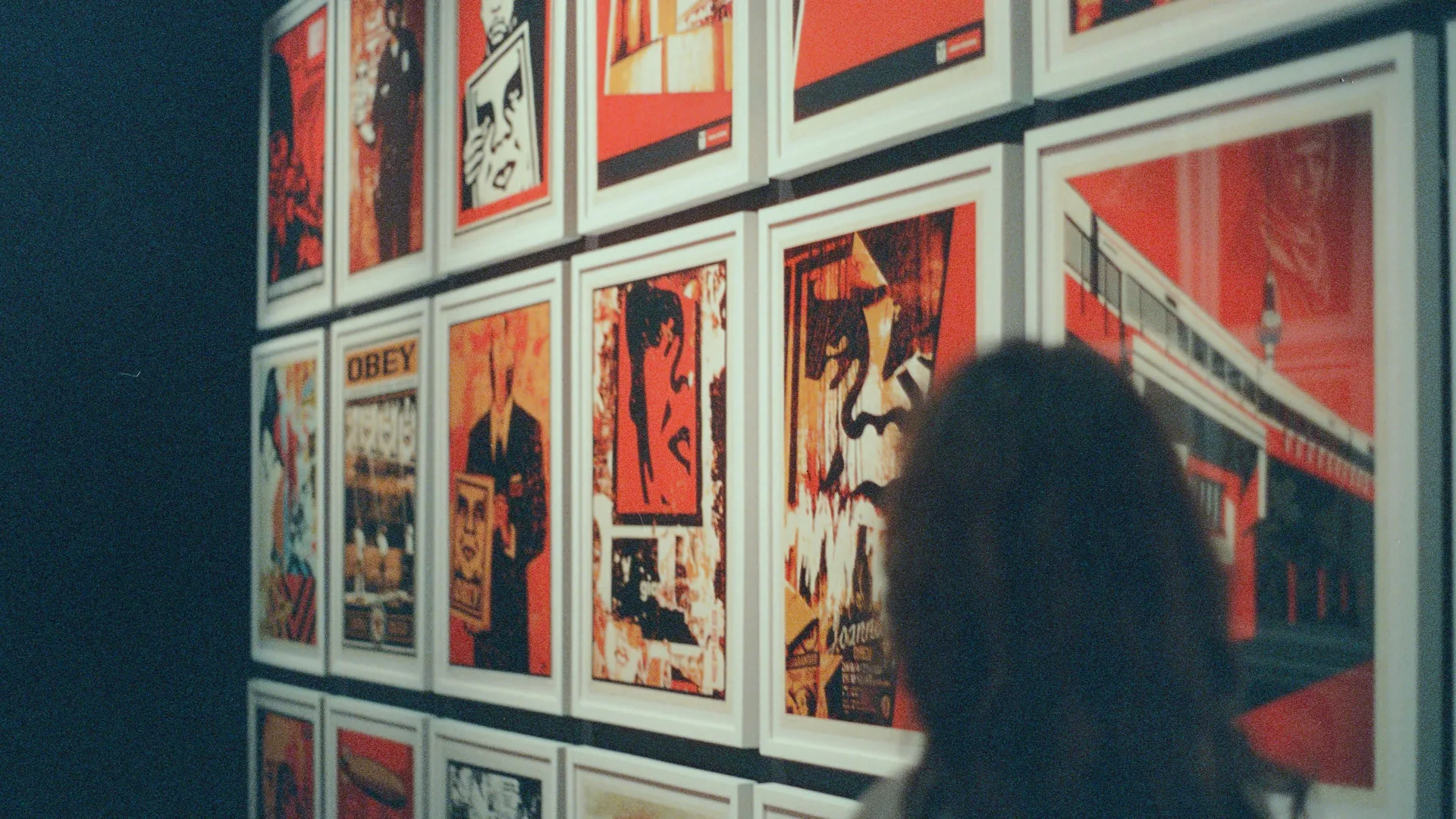
Objective: The project aims to investigate and promote art activism as a means of enhancing democratic participation, particularly among marginalized groups. The main objectives of the project are: To advance research on art as a collaborative form of political action by exploring the relationship between art, activism, and democracy; To compare and contrast case studies of art activism across Europe, shedding light on the similarities and differences in tactics, strategies, and impacts; To engage artists and activists as partners in the research process, ensuring that their perspectives and experiences are central to the knowledge produced; To inform policies that support and amplify the impact of art activism, providing guidelines for funding schemes, regulatory frameworks, and education; To encourage art activism among marginalized groups, including youth, women, migrants, and other underrepresented communities, by providing resources, training, and support.
Partners:
- Univerzita Sv. Cyrila A Metoda V Trnave Sk
- Im Cultural Institute
- Bratislavsky Institut Pre Politicku Analyzu
- Tree Agency Ou
- Edex – Educational Excellence
- Republikon Tudomanyos, Oktatasi Es Kutatasi Ala
- Fremde Werden Freunde
- Funky Citizens
- Fundacja Res Publica Im. Henryka Krzeczkowskiego
- Jugend-& Kulturprojekt
- Impact Games