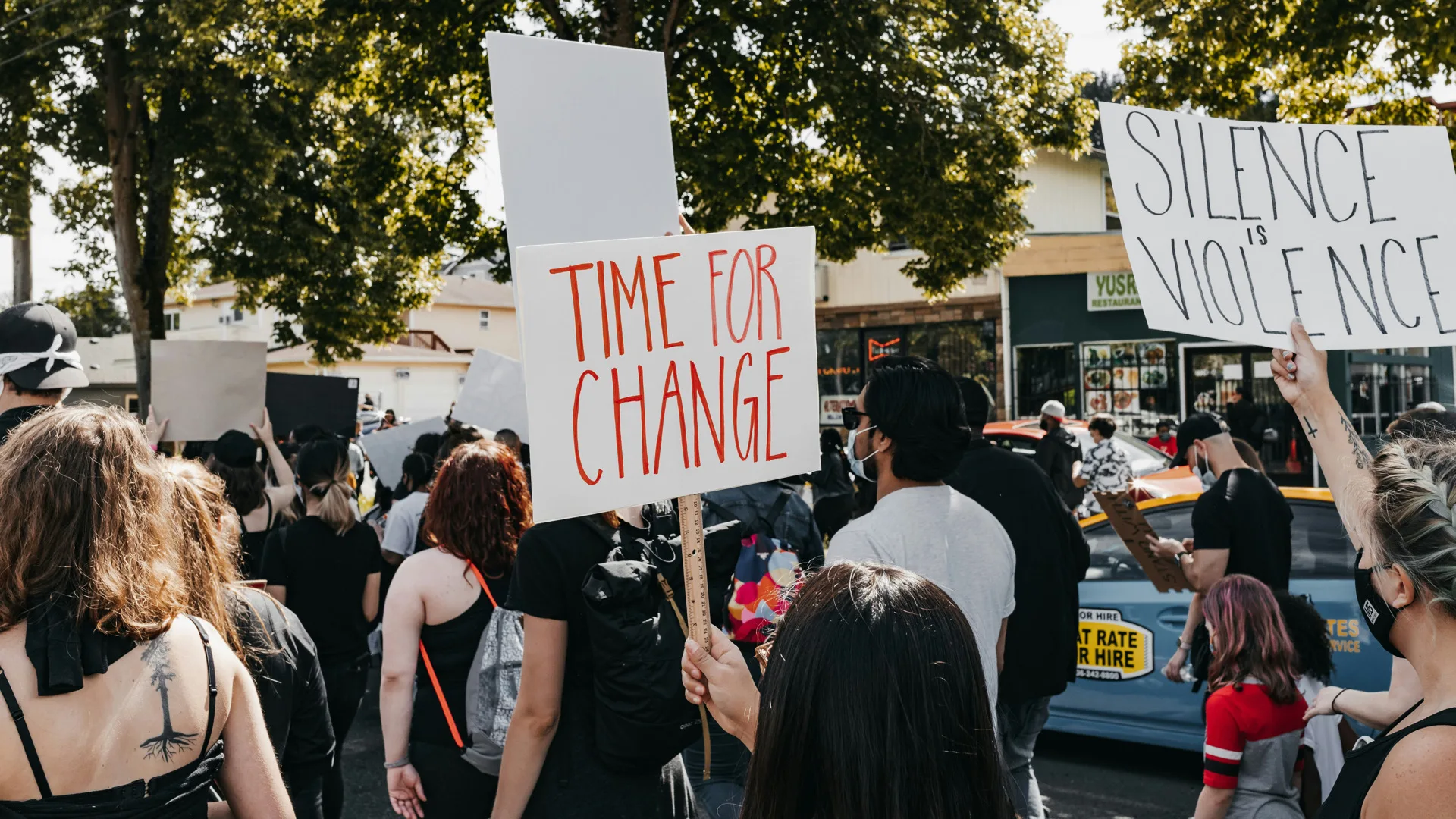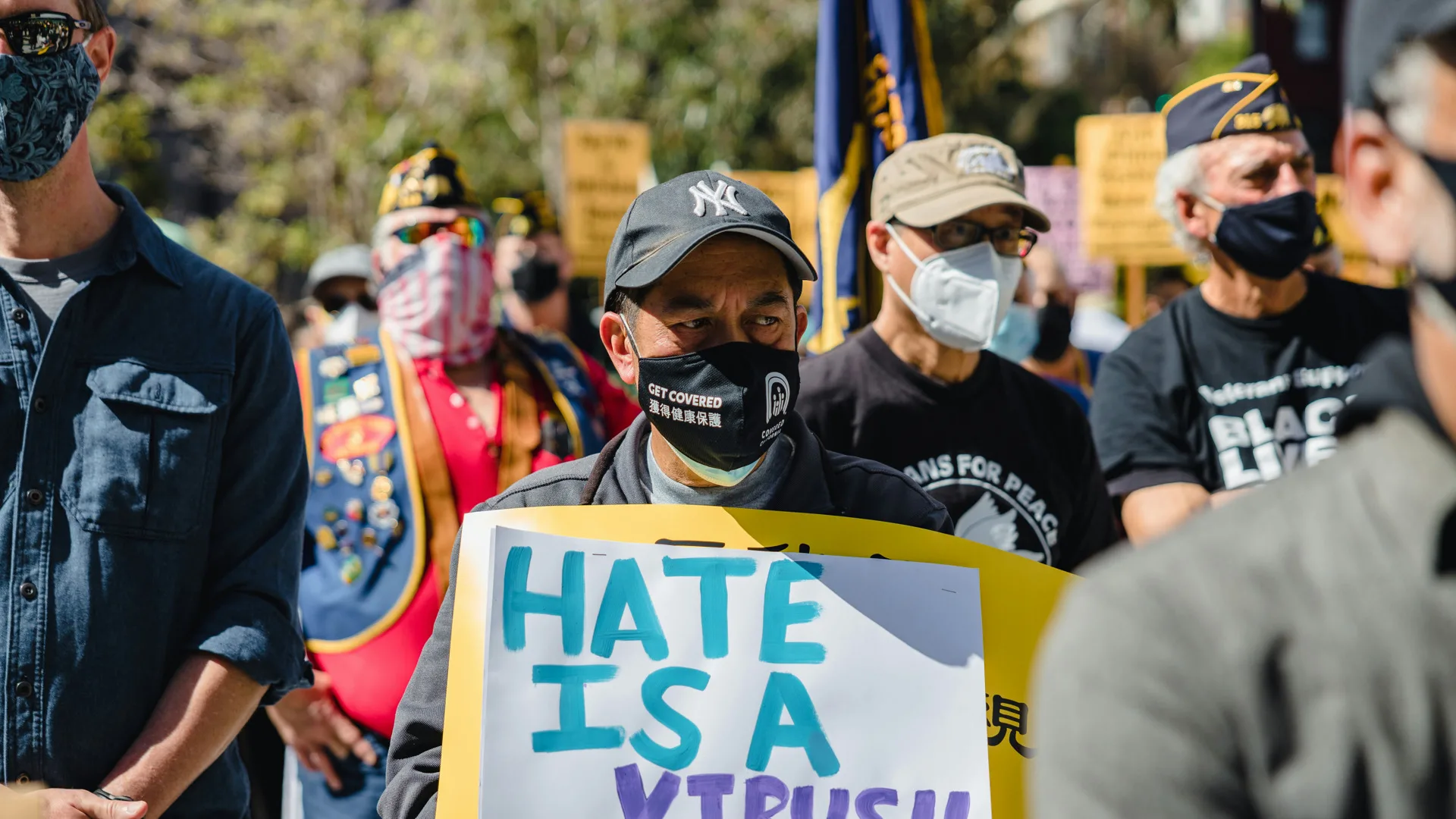
As radicalization emerges as a central concern in contemporary social movements, this article investigates radicalization as a multidimensional and evolving process within the movements, challenging approaches that equate radicalization solely with extremism or violence.
Grounded in the idea of a “social movement society,” where protest is a routine form of civic engagement, the study explores how collective action can shift from moderate dissent to more radicalized forms of mobilization.
To explain this transformation, the article adopts a multi-level analytical framework that integrates macro-level structural conditions, meso-level organizational dynamics, and micro-level identity and framing processes. Using a multi-method research design, including frame analysis, protest event analysis, and secondary data, the study traces the evolution of a movement that experienced significant ideological and tactical change.
Research results show how discursive strategies, alliances, and socio-political contexts interact to reshape protest trajectories over time, and the author concludes that radicalization should be understood as a complex, context-dependent process that reflects deeper tensions within democratic societies.
Learn more about this study here: https://doi.org/10.11648/j.ss.20251404.15
Reference
Grippo, A. (2025). Transformations in Collective Action Understanding Radicalization in Social Movements. Social Sciences, 14(4), 340-349